Memex
Collective Intelligence — Multiplayer software for organising research.
Role
Product Engineer
Client
WorldBrain
Tech / Methods
Tags: Product Engineering
Delivered product strategy via research and design, technical specification, shipped features.
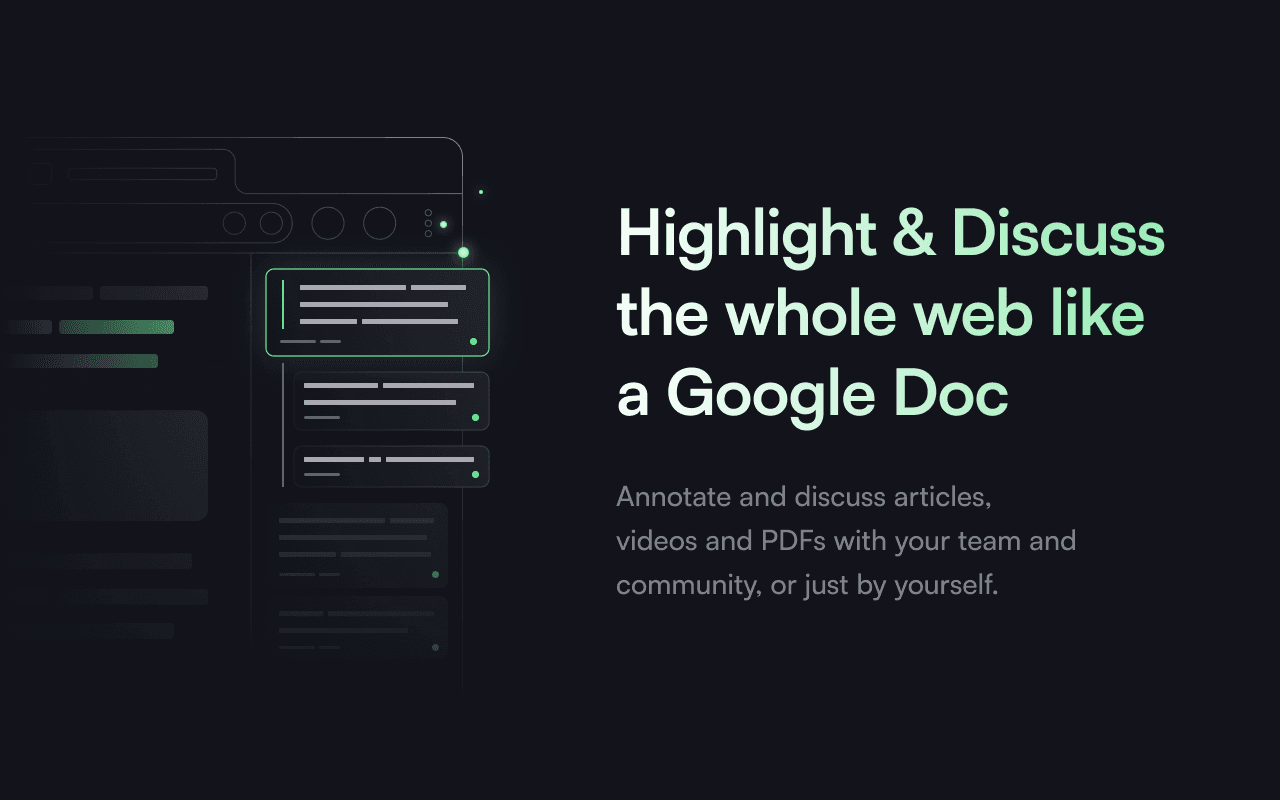
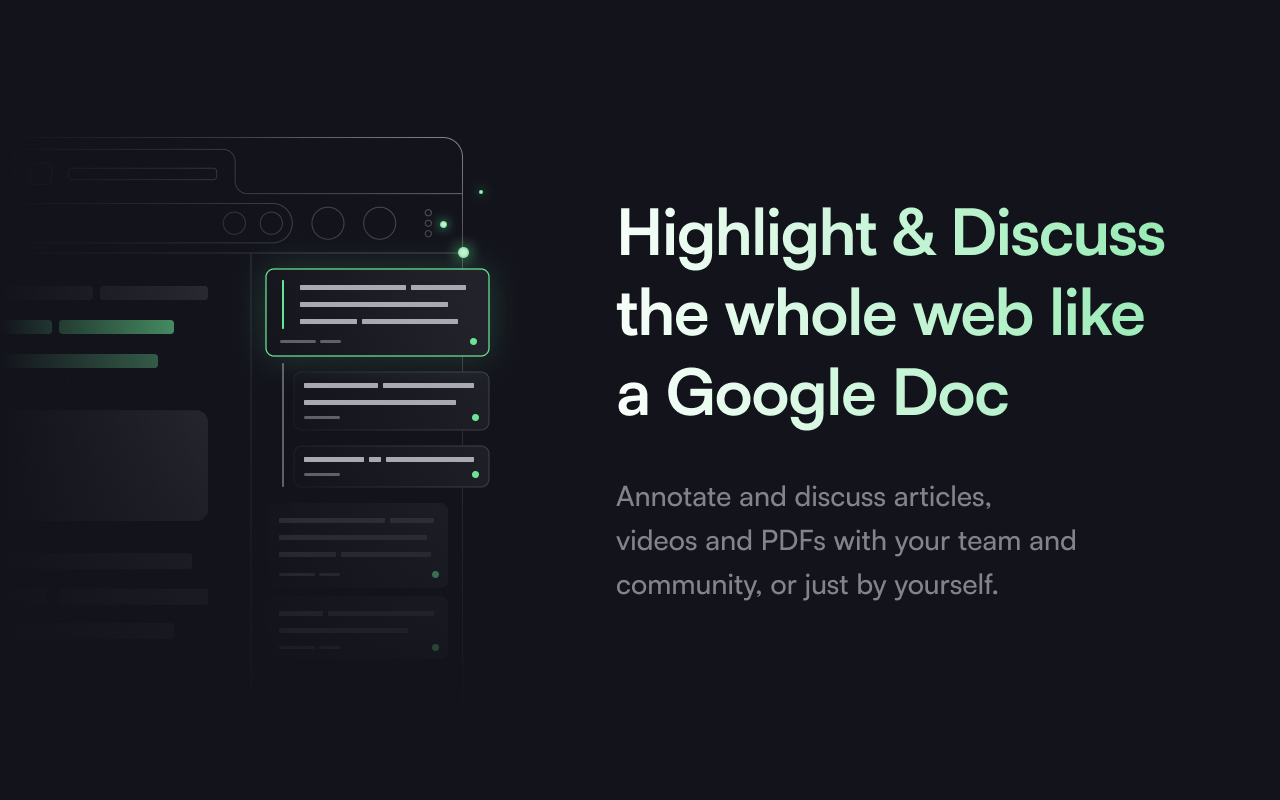
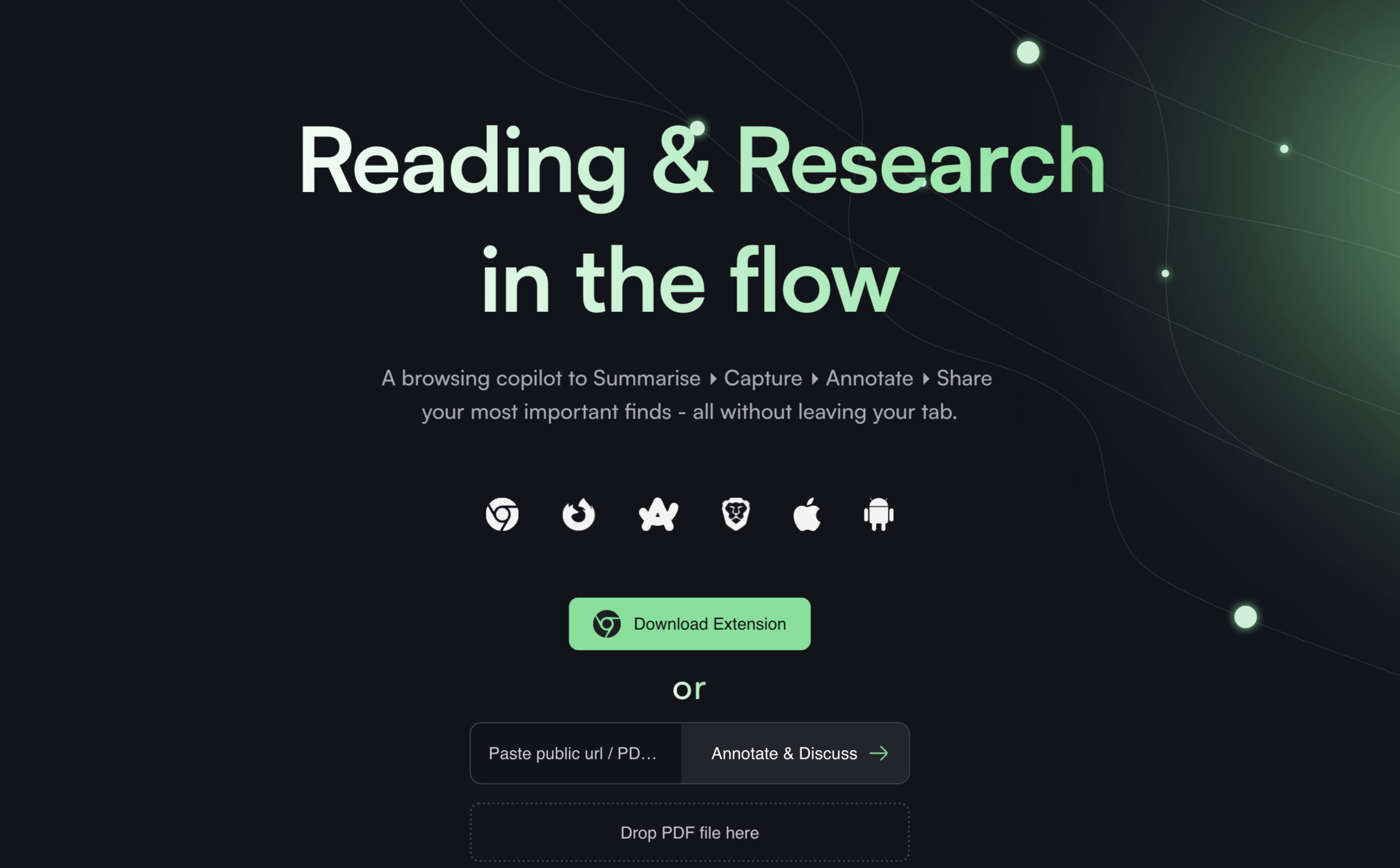
From Portfolio Case Study Memex by Worldbrain Leading product engineering to discover the multimedia needs of researchers. Refactoring software architecture to be reliable, performant, and adaptable. WorldBrain/Memex is a web-browser extension for collective intelligence; saving content and making annotations useful throughout an integrated research workflow of learning, sharing, and synthesis. Role Product Manager, Product Engineer.Entrepreneur in residence Challenge Memex’s potential and positioning had garnered many active users but the technical debt from a history of diverse open source contributions and complex platform API calls had caught up. Prioritizing iterative and intuitive feature development was causing more bugs than improving product market fit. The product and the process needed to mature to build a reliable and relevant tool. Contributions Supported by a great, trusting, team, I lead efforts in research, development, facilitation, and product strategy across the whole stack of the startup.I setup a continuous customer discovery process and a weekly team retrospective to give us the energy, alignment, and insights needed for innovation.In weekly product sparring sessions with the CEO I guided open questions, refined specifications, prioritized fixes, features, and technical debt. In cycles of research I conducted user interviews and synthesized strategy.In cycles of engineering with other developers I prototyped new features and polished UX.
- Conducted over 60 user interviews to refine product strategy and prioritise features
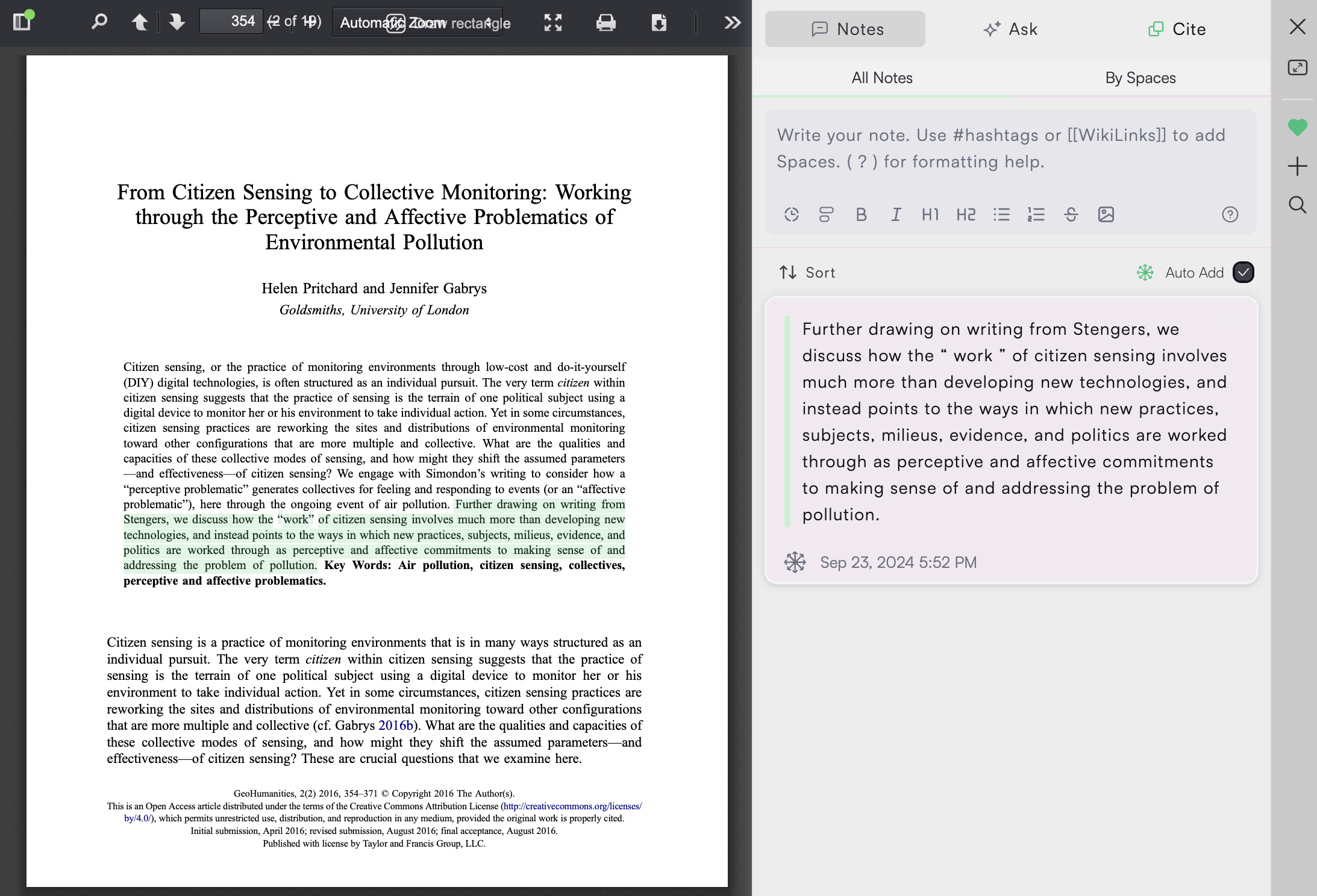
- Led the implementation of PDF annotation capabilities, significantly expanding Memex's functionality
- Refactored the software architecture, resulting in a more modular, testable, and performant system
- Facilitated weekly product strategy sessions with the CEO, aligning development with user needs and business goals Impact Extensible annotations on PDFs was launched with a roadmap of iterative refactoring to a resilient and scaleable technical architecture supporting multiple media formats.UI controls were more modular, testable, faster, and less error prone. A more successful user experience and an easier developer experience.The strategy, sprints, and framework we developed allowed the team to execute at a better pace and more strategic product prioritization.
- Launched extensible PDF annotations, opening up new use cases for academic and business research
- Improved user experience and developer productivity through strategic technical debt reduction
- Established a data-driven product development process, leading to more focused and impactful feature releases
- Contributed to steady user base growth despite sunsetting legacy features
Work With Me Text: (todo - get image from little gallery sections) WorldBrain build open source research tools for personal knowledge management and collaborative intelligence. While consulting for WorldBrain in product & engineering, I lead efforts in research, development, communications and overall digital product strategy.
- I prototyped features to improve the product and architecture.
- I lead team R&D cycles towards product-market fit.
- In weekly sparring sessions with the CEO I guided open questions, refined specifications, and prioritized fixes, features, and technical debt. E.G: Extending annotations from web pages to multiple media formats. For the informed and participatory R&D of features such as this I:
- Conducted user development interviews
- Gathered audience analysis
- Created behavioural personas and jobs to be done
- Investigated technical feasibility
- Proposed an iterative refactoring to an improved technical architecture
- Scoped work packages in shippable modules
- Created a strategic roadmap for launching and continued maintenance
- Developed functioning prototypes Extensible annotations (initially: PDF Annotations) was launched with a roadmap of transitioning to a resilient and scalable technical architecture to support multiple media formats. Early in my engagement with WorldBrain I did much software engineering to help put out fires. Front End To alleviate regressions I lead team efforts to refactor unruly UI components. I made UI controls more modular, testable, performant and error-free for an easier developer experience and successful user experience. I also did profiling and performance tuning to speed up UI interactions. Back End Architecture In an advisory capacity I often assisted to the CTO in providing architectural feedback and in de-risking, and aligning the team on big architectural changes, E.G. a new cloud storage implementation. In a development capacity I refactored bottlenecks in maintainability and performance across legacy architecture e.g. underlying remote procedure call architecture. Regularly I would document latest user insights and strategic directions to for internal team alignment, through Slack memos and Notion tasks. I also started an initiative to consolidate the strategy into external communications. In the research report I contributed much of the research and writing to sections 'Who are we building for', 'Where does the product fits in your network', and 'Workflows being optimised for' (roadmap).
AI Says
Memex by WorldBrain: Enhancing Collective Intelligence Role: Product Manager & Lead Engineer At WorldBrain, I spearheaded the development of Memex, a browser extension for collective intelligence. Facing technical debt and user experience challenges,